

Commercial general liability (CGL) insurance is one of the most important tools a business can have for financial protection. Yet while most business owners carry this coverage, far fewer take the time to understand what their policy actually says.
Reading a CGL policy isn’t easy. The language is dense, the structure isn’t always intuitive, and a single clause can determine whether a claim is paid or denied. Whether you’re reviewing a new policy, renewing an old one, or looking back at coverage from years past, knowing how to navigate the document puts you in a much stronger position to protect your business.
This guide will walk you through the major sections of a CGL policy, explain how to approach them, and highlight when it’s time to call in a professional.
Why Understanding Your Commercial General Liability Policy Matters
Every business faces risks that can lead to costly claims, and a CGL policy is often the first line of defense. But not all coverage is created equal, and the fine print of your policy can determine whether you’re protected or left paying out of pocket.
Modern CGL policies generally exclude environmental claims, but older occurrence-based policies may still provide coverage-especially when contamination stems from past operations. If your business owns or operates on historically industrial land, knowing what coverage was in place decades ago could make the difference in who pays for cleanup.
How to Read a CGL Policy Effectively

Reading a CGL policy can feel overwhelming, especially when you’re staring at dozens of pages of legal language. But a structured approach can turn that complexity into clarity.
Commercial general liability policies tend to follow a similar structure, even across different carriers and policy years. While the formatting may vary, most include the same core components. To get the most out of your policy, especially when evaluating whether it applies to a past or current issue, it helps to know how to navigate these sections and what to look for in each one.
1. Start With the Declarations Page
The declarations page is usually the first page of the policy and summarizes the key details: who is insured, when the policy is active, what types of coverage it includes, and the maximum amounts the insurer will pay for covered claims. It serves as a roadmap for the rest of the document and helps you quickly decide whether the policy is relevant to your situation.
Declaration page reading tip: Before diving into the full policy, confirm three essentials:
1. The named insured matches your business (including past names, locations, or subsidiaries).
2. The policy period aligns with the event in question.
3. The forms and endorsements listed are included in your copy.
Here are the key elements to focus on in a CGL declarations page:
| Element | Description |
|---|---|
| Named insured | Ensure all business entities, subsidiaries, or prior operations are captured. Missing names can jeopardize coverage. |
| Policy period | Start and end dates of the policy. For occurrence-based policies, the incident must fall within these dates, even if the claim is filed years later. |
| Type of coverage | Identifies whether the policy is occurrence-based or claims-made — critical for long-tail liabilities like pollution. |
| Coverage limits | Shows how much the insurer will pay per claim and in total. Understanding whether those limits are sufficient depends on how much CGL insurance your business should have. |
| Forms and endorsements schedule | Lists amendments that can significantly change coverage, especially exclusions tied to environmental liability. |
2. Review the Insuring Agreement
The insuring agreement is the core promise of the policy: what the insurer will pay for, under what conditions, and for whom. It usually begins with a broad statement. For example, covering damages the policyholder is legally required to pay due to an “occurrence.” But that broad promise is later narrowed by exclusions, definitions, and endorsements. This section lays the foundation for what the policy offers before any limitations are applied.
Insuring agreement reading tip: Read this section carefully, but don’t stop here. The insuring agreement is designed to sound broad and generous. The real boundaries of coverage usually appear later in the exclusions, definitions, and endorsements that modify it.
Key elements to focus on in the insuring agreement include:
| Element | Description |
|---|---|
| Coverage trigger | Most CGL policies are occurrence-based, meaning coverage applies if the injury or damage happened during the policy period, even if the claim is filed years later. This distinction is critical for environmental and long-tail liabilities. |
| Policy scope | Describes the general type of losses covered, often tied to business operations, premises, or completed work. This is the section of the policy that effectively explains what your CGL insurance covers before the exclusions begin to narrow it. |
| Covered damages | Specifies the types of harm included, typically bodily injury and property damage. How these terms are defined, especially in relation to pollution, is central to environmental claims. |
3. Examine Exclusions Closely
The exclusions section defines the boundaries of what your policy does not cover. These carve-outs are critical because they prevent the policy from applying to certain high-risk or industry-specific exposures.
Exclusions section reading tip: Always read this section closely. It’s where coverage is often most limited, and where misunderstandings frequently lead to disputes or denied claims. Look for endorsements that might limit, remove, or modify an exclusion. A pollution exclusion, for example, may be narrowed or replaced in industries where such exposure is routine.
Some exclusions apply across most industries, while others are highly specific. A few of the most important to watch for include:
| Exclusion Type | Description |
|---|---|
| Pollution | Broadly excludes bodily injury or property damage from pollutants. This is one of the most consequential exclusions for environmental liability exposure. |
| Professional liability | Removes coverage for professional services or advice. Businesses usually need a separate E&O policy to fill this gap. |
| Employee injuries | Excludes injuries covered by workers’ compensation. |
| Damage to owned property | Prevents CGL from functioning as property insurance by excluding damage to property you own or control. |
| Contractual liability | Excludes liability assumed solely through a contract, unless it fits within a narrow exception. Always check endorsements to see if coverage has been added back. |
4. Study the Definitions Section
Commercial general liability policies define key terms in specific ways that can significantly affect coverage. Words like “occurrence” or “pollutants” may not mean what you expect, and those definitions apply throughout the entire policy. Always read this section carefully. Small differences in wording can lead to big differences in outcomes.
Definitions section reading tip: Always consult this section when reviewing any other part of the policy. The definitions section gives specific meaning to terms used throughout the policy. These terms aren’t always intuitive and often differ from everyday usage. If a word is defined here, its meaning is locked in and overrides assumptions or general legal interpretations.
Some of the most important definitions to pay attention to include:
| Defined Term | Description |
|---|---|
| Occurrence | An accident, including continuous or repeated exposure to harmful conditions, that causes injury or damage. This is the core trigger for most CGL coverage and determines whether old policies still apply. |
| Pollutants | Broadly defined to include smoke, vapor, soot, fumes, acids, chemicals, and waste. This definition is central to environmental claims and often drives coverage disputes. |
| Insured | Defines who is protected by the policy. Always confirm whether subsidiaries, affiliates, or past business names are included. |
| Bodily injury/property damage | Specifies what counts as physical harm or damage to tangible property. How these are defined ties directly into what your CGL insurance covers. |
5. Understand Which Conditions Apply
The conditions section outlines the legal responsibilities of both you and your insurer. These provisions govern how claims must be handled, what notice is required, and under what circumstances coverage may be voided or limited. Even if the rest of your policy looks favorable, failing to meet these obligations can cost you coverage.
Conditions section reading tip: Conditions don’t typically define what is or isn’t covered. They describe how coverage functions. That makes them easy to overlook, but critical to follow.
Some of the most important conditions to watch for include:
| Condition | What It Means |
|---|---|
| Notice of claim | You must promptly notify your insurer when a loss occurs or a claim is filed. Delays can jeopardize coverage. |
| Duties in the event of occurrence | You’re required to cooperate with the insurer — preserving evidence, providing information, and responding to requests. |
| Other insurance | Explains how your policy coordinates with other policies that may also apply, which is especially important if you’re working with multiple or historical CGL policies. |
| Subrogation | After paying a claim, the insurer has the right to pursue third parties responsible for the loss. Waivers of subrogation may appear in contracts or endorsements. |
| Assignment | Policies generally cannot be transferred to another party without written consent, a condition that often matters when dealing with old or lapsed coverage. |
6. Read All Endorsements and Riders
Endorsements and riders are attachments that modify the standard terms of a CGL policy. They can add coverage, remove exclusions, limit who is insured, or adjust terms to match industry requirements or local laws. These modifications are legally binding and take precedence over the base policy language, so it’s important to read them carefully and understand how they change your coverage.
Endorsements reading tip: Endorsements are usually listed at the end of the policy and are easy to skim over. Don’t. Even a short endorsement can drastically change what’s covered or excluded. Always reconcile them with the rest of the policy to see how they alter the core terms.
Some of the most common endorsements that impact coverage include:
| Endorsement or Rider | Description |
|---|---|
| Additional insured | Extends coverage to third parties such as landlords, clients, or contractors — often required by contract. |
| Waiver of subrogation | Prevents your insurer from recovering damages from a third party after paying a claim. Common in leases and construction contracts. |
| Pollution coverage | Adds limited coverage for specific pollution incidents, overriding the standard exclusion for named activities. |
| Designated premises | Restricts coverage to specific addresses or locations. This can reduce cost but narrow coverage significantly. |
| Professional or cyber liability | Adds protection for exposures not included in a standard CGL policy, such as design errors or data breaches. |
| Aggregate limits per project or location | Separates coverage limits for each project or location. This directly affects how much protection is available, tying into CGL limits and how insurers cap payouts. |
Additional Tips for Reviewing Your CGL Policy
Even with a strong grasp of the major sections, CGL policies are complex legal contracts. These practical tips can help you read more effectively and spot potential problems before they escalate:
- Use AI to simplify dense language: Upload a PDF to a trusted AI chatbot to help summarize key sections, explain exclusions, or highlight coverage triggers. It’s a fast way to get your bearings. Just remember, AI is a reading aid, not a substitute for expert review.
- Search for specific terms: Use keyword search to quickly locate critical terms like “pollution,” “endorsement,” or “sublimit.” This helps you spot issues tied to your industry or claim.
- Compare policies across years: If you have more than one CGL policy, review how language changes from year to year. Small differences in definitions or exclusions can dramatically affect coverage, especially for legacy claims.
- Look for sublimits and hidden caps: Some endorsements set lower payout limits for specific types of coverage, like environmental or cyber incidents. Don’t assume the main limit applies to everything.
- Cross-check exclusions and endorsements: Endorsements can add back coverage excluded in the base policy, but sometimes other endorsements take it away again. Make sure you understand which ones control and how they interact.
- Watch the timing in claims-made policies: If your policy is claims-made (which is common for pollution or cyber coverage), the two dates that matter are when the event happened and when the claim was reported. Some policies won’t respond unless both dates fall within the policy’s coverage period.
- Store your policies securely: Keep both digital and physical copies of your policies, especially old ones. Occurrence-based coverage can still protect you decades later, but only if you can find the documents.
- Don’t rely on the certificate of insurance (COI): A COI summarizes the existence of coverage but doesn’t include exclusions, endorsements, or detailed terms. It’s not a substitute for reading the full policy.
- Know when to call in a professional: If you’re facing a claim, dealing with overlapping policies, or unsure whether exclusions apply, bringing in the correct professional can lead to invaluable advice. Insurance archaeologists, brokers, and attorneys can help you recover old policies, interpret their terms, and apply them to your current situation.
Why Old or Lapsed CGL Policies Still Matter
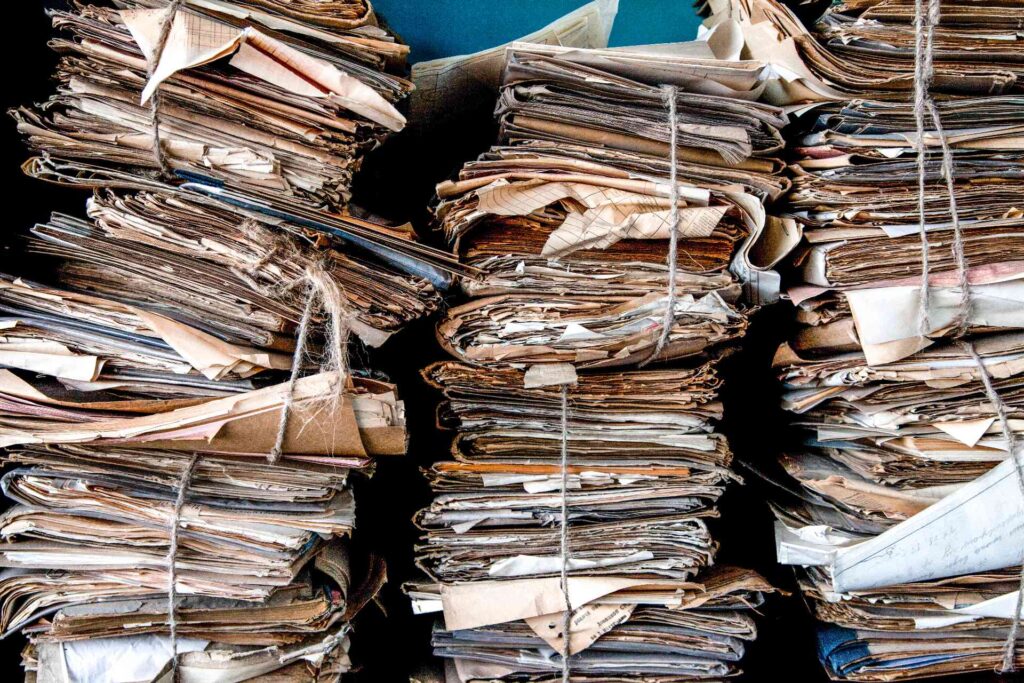
Many business owners mistakenly assume that expired insurance policies are irrelevant. Older CGL policies can provide critical protection against current claims, especially if the policy was written on an occurrence basis, as most CGLs are.
- Occurrence-based coverage lives on: If a claim stems from an event that took place during the policy period, the policy may still respond even if the claim arises years or decades later.
- Environmental liabilities are often long-tail: Pollution or contamination claims may not surface until many years after the triggering event. An older policy could be the key to recovering cleanup costs, legal defense, or settlement obligations.
- Product liability and construction defects can emerge late: Faulty workmanship, manufacturing issues, or defective materials might not lead to legal claims until years after a product is sold or a project is completed.
- Professional services and negligence claims may go back years: If your business gave advice, handled data, or offered design services, legacy claims can surface long after the work was done.
- Reputational issues and defamation claims don’t follow a neat timeline: A claim over a past advertisement or media release could involve an older coverage period.
Why It Pays to Understand Your Insurance Coverage Now
Understanding your commercial general liability policy before a claim arises provides leverage, clarity, and better decision-making, especially when environmental risks are involved. Whether you’re reviewing a current insurance contract or looking back at one from years ago, knowing what is covered and what is not can protect your business from major financial exposure.
Because old policies can hold value, locating, reading, and understanding them is worth the effort, and sometimes, it’s the only way to unlock coverage for a legacy problem. That’s where we come in.
At Restorical Research, we specialize in uncovering historical CGL policies that have been forgotten, misplaced, or misfiled, and helping businesses use those policies to protect themselves against long-tail liabilities.
If you’re facing a pollution issue, responding to a regulatory demand, or unsure whether past coverage applies to a current environmental problem, contact Restorical Research. We help business owners locate and interpret historical CGL policies that may still provide coverage for environmental claims, even if those policies expired long ago.